



Seattle receives over 150 days of measurable rainfall annually, and our proximity to Puget Sound creates high humidity year-round. This constant moisture attacks homes and businesses from multiple directions. Fall and winter storms dump inches of rain in hours, overwhelming gutters and overwhelming older drainage systems common in neighborhoods like Queen Anne and Capitol Hill. Older Seattle homes built before modern moisture barriers often have basements that leak during heavy rain events.
The region's clay-heavy soil swells when saturated, creating hydrostatic pressure against foundation walls. Water finds its way through cracks, especially in homes built before 1980. Combined with our mild winters that keep the ground from freezing, water stays mobile underground all year. Burst pipes remain a threat during the occasional hard freeze, particularly in older buildings with exposed plumbing in crawl spaces. Commercial properties near Elliott Bay and Lake Union face additional challenges from rising water tables. Seattle's building codes require specific moisture management strategies, but older structures need retrofitting to meet current standards.
We built our reputation responding to real emergencies across Seattle, from flooded basements in Ballard to burst pipes in downtown high-rises. Our technicians know the difference between a 1920s Craftsman foundation and a modern concrete slab because we have worked on both. When you call at 2 AM with water pouring through your ceiling, you get a trained specialist who has handled that exact scenario dozens of times in Seattle properties.
Our trucks carry industrial extraction equipment, commercial dehumidifiers, air movers, and moisture detection technology. We do not show up with a shop vac and hope for the best. Every job starts with thermal imaging to find hidden moisture in walls and subfloors. We track moisture levels daily until your property meets the dry standard required by insurance companies and prevent secondary damage.
We handle the insurance paperwork that buries most homeowners. Our estimators document damage with photos, moisture readings, and detailed reports that adjusters accept. We know what Seattle insurance companies require because we submit claims to them every week. You focus on getting back to normal while we fight for proper coverage.
Our connection to Seattle goes beyond emergency response. We sponsor local youth sports teams and support food banks in neighborhoods we serve. When the Haller Lake community needed help after the 2021 flooding, our crews volunteered time and equipment. This is our city, and we protect it one property at a time.

Our dispatch center operates around the clock, and our crews stage across Seattle for rapid deployment. When you call with an emergency, we commit to arrival within one hour. Fast response stops water from spreading through your property and reduces total restoration costs by addressing damage immediately.

We bill your insurance company directly after documenting your claim with detailed photos, moisture readings, and industry-standard estimates. You never front the cost of major restoration work. Our estimators know what Seattle adjusters approve, and we handle all communication so you avoid the back-and-forth.
Every technician holds current certification from the Institute of Inspection Cleaning and Restoration Certification. This means they follow proven protocols for water extraction, structural drying, and contamination control. Certification matters because improper drying leads to mold growth that costs more to fix than the original water damage.
We understand how Seattle's rain patterns and humidity affect drying times. Properties here need different treatment than dry climates. Our teams adjust equipment and timelines based on seasonal moisture levels and know which Seattle building types dry faster or slower based on construction methods.
Water damage takes many forms, and each requires specific equipment and expertise. A Category 1 clean water leak from a supply line needs different handling than Category 3 sewage backup. The age of your building, type of flooring, and extent of saturation all change the restoration approach. We provide emergency response, complete water removal services, structural drying, and full reconstruction under one roof. This eliminates the chaos of coordinating multiple contractors while your property sits wet.
Our service categories address every phase of water damage, from the moment you discover the problem through final repairs. Emergency mitigation stops ongoing damage and protects salvageable contents. Water removal services extract standing water and begin controlled drying. Complete restoration rebuilds damaged areas and returns your property to pre-loss condition. Many Seattle properties require all three phases, while others need only emergency response and drying. We assess your specific situation and recommend the appropriate level of service.
Emergency mitigation starts the moment we arrive. We stop active water intrusion by shutting off supply lines, tarping roof damage, or sandbagging doorways. Crews extract standing water with truck-mounted pumps and portable extractors, then move furniture and contents to dry areas. We remove soaked insulation, pull wet baseboards, and create flood cuts in drywall to expose wall cavities for drying. This immediate action prevents water from spreading to unaffected areas and gives us access to hidden moisture that causes future problems.
Structural drying uses commercial dehumidifiers and air movers positioned strategically throughout your property. We create negative air pressure in contained areas to pull moisture from walls, subfloors, and framing lumber. Technicians monitor progress with moisture meters and thermal imaging, adjusting equipment placement as materials dry. Seattle's high ambient humidity means we often need to run equipment longer than standard timelines. Complete drying typically takes three to seven days depending on materials affected and extent of saturation.
Full restoration rebuilds everything water destroyed. Our licensed contractors install new drywall, replace damaged flooring, repaint walls, and reconstruct bathrooms or kitchens if needed. We match existing finishes in older Seattle homes and source period-appropriate materials for historic properties. Restoration includes replacing damaged electrical components, reinstalling insulation, and repairing subflooring. You get one team handling the entire project from emergency response through final walkthrough, avoiding the coordination nightmare of hiring separate restoration and construction companies.
Seattle's climate and building stock create predictable water damage patterns. Heavy rainfall overwhelms gutters and drainage systems, particularly in neighborhoods with mature tree cover like Ravenna and Magnolia where leaves clog downspouts. Older homes in areas like Fremont and Wallingford have outdated plumbing with galvanized pipes prone to failure. Commercial buildings downtown and in South Lake Union deal with roof membrane failures that let water infiltrate multiple floors. Understanding these common problems helps property owners recognize warning signs before minor leaks become major disasters.
The region's mild, wet winters keep soil saturated for months. Basement and crawl space flooding peaks between November and March when rain falls steadily for days. Homes built into hillsides face additional challenges from surface water runoff. The freeze events that hit Seattle every few years catch residents off guard, leading to burst pipes in uninsulated attics and crawl spaces. Each type of water intrusion requires immediate attention to prevent structural damage and mold growth.
Groundwater pushes through foundation cracks and failed waterproofing systems during heavy rain. Older Seattle homes often lack proper drainage or have sump pumps that fail during storms. Water pools on basement floors, soaks into drywall, and saturates stored belongings. Crawl spaces fill with standing water that promotes wood rot in floor joists and creates ideal conditions for mold.
Supply line failures dump gallons per minute into living spaces. Pipes freeze and burst during cold snaps, often in attics or exterior walls. Old galvanized plumbing corrodes from the inside and splits without warning. Washing machine hoses fail and flood laundry rooms. Water travels through floors and walls, affecting multiple rooms before someone discovers the source.
Wind-driven rain finds gaps around chimneys, skylights, and vent pipes. Aging composition shingles crack and allow water under the roofing membrane. Moss growth common on Seattle roofs traps moisture and accelerates deterioration. Water runs down inside walls before appearing as ceiling stains. By the time you see visible damage, insulation and framing may be soaked.
Water heaters develop slow leaks that go unnoticed until flooring buckles. Dishwashers spray water under cabinets and into adjacent rooms. Toilet supply lines crack and flood bathrooms overnight. Refrigerator ice maker lines fail behind appliances. These failures happen without warning and cause extensive damage before discovery, especially in vacation properties or rental units.
Water damage creates panic, but our process brings order to chaos. From the moment you call, you work with professionals who have handled hundreds of Seattle emergencies. We ask specific questions to determine severity and dispatch the appropriate crew and equipment. You receive an estimated arrival time and a call when we are 10 minutes out. Our technicians arrive in marked vehicles with uniforms and identification.
The first hour focuses on stopping water intrusion and assessing damage. We explain what we find, what equipment we will use, and how long drying will take. You receive a written estimate for insurance purposes before major work begins. Throughout the project, you know who to contact with questions and receive daily updates on drying progress. We schedule the insurance adjuster inspection and provide all documentation they need. Transparency and communication separate professional restoration from contractors who disappear between visits.
Our technician performs a complete walkthrough with moisture detection equipment, checking walls, floors, and ceilings with meters and thermal imaging. You receive a verbal explanation of all damage found, including hidden moisture. We take extensive photos for documentation and insurance claims. The assessment includes testing for contamination level if sewage or exterior water is involved. You approve the scope of work before crews begin extraction and mitigation.
Technicians visit daily to check equipment, take moisture readings, and adjust dehumidifier placement. You receive a call or text after each visit with updated readings and estimated completion date. We never disappear for days hoping everything dries on schedule. Equipment runs continuously, and we monitor power usage to prevent circuit overloads. If drying takes longer than estimated, we explain why and adjust the timeline with your insurance company.
We provide detailed estimates, daily moisture logs, equipment lists, and completion certificates for your insurance claim. Our reports meet the standards Seattle adjusters expect. If your claim faces denial or undervaluation, we provide additional documentation and expert testimony. You never wonder if insurance will cover the work because we ensure proper documentation from day one. Final invoices match approved estimates with no surprise charges.
Water damage restoration follows proven protocols developed by the IICRC. We adapt these standards to Seattle's climate and building types while maintaining the systematic approach that ensures complete drying and prevents mold growth.
Call our 24-hour emergency line at (564) 220-5525, and speak directly with a trained dispatcher. We ask about water source, affected areas, and severity to send the right crew and equipment. Teams deploy from our Seattle facility within 15 minutes of your call. You receive an estimated arrival time and a callback when we are en route. Our trucks carry extraction equipment, moisture detection tools, and containment supplies for immediate action.
Crews extract standing water with truck-mounted pumps and portable equipment. We remove soaked materials that cannot be saved, create airflow access to wall cavities, and position commercial dehumidifiers and air movers. Moisture mapping identifies hidden saturation in subfloors and framing. We establish drying goals based on material type and create a controlled environment that pulls moisture efficiently. Equipment runs continuously while technicians monitor progress daily.
Final moisture readings confirm all materials meet dry standards before equipment removal. We document completion with detailed reports for your insurance company. If restoration is needed, our contractors begin repairs immediately. You receive a certificate of completion and documentation for your property records. We follow up 30 days later to ensure no moisture issues developed. The property returns to pre-loss condition, fully dried and restored.
Professional water damage restoration follows industry standards established by the Institute of Inspection Cleaning and Restoration Certification. These protocols classify water damage by contamination level and structural impact. Category 1 involves clean water from supply lines or rain with no contact with contaminants. Category 2 includes water with some contamination like washing machine overflow or toilet bowl water without feces. Category 3 involves grossly contaminated water from sewage backups, flooding from rivers or Puget Sound, or any water that sat stagnant for over 48 hours.
Seattle properties must meet specific moisture content standards before restoration work begins. Wood framing should measure below 15 percent moisture content. Concrete and masonry require different standards based on thickness and finish materials. Our technicians use penetrating moisture meters and non-invasive sensors to verify drying without damaging materials. Insurance companies require documented proof of proper drying to prevent future mold claims.
Washington State requires contractors performing water damage restoration to hold proper licensing and liability insurance. Mold remediation work requires separate certification when contamination exceeds 10 square feet. We maintain all required credentials and follow state guidelines for disposal of contaminated materials. This protects you from liability if workers are injured or if restoration work causes additional problems. Proper licensing also ensures insurance companies accept our work and documentation without dispute.
The S500 Standard and Reference Guide for Professional Water Damage Restoration defines proper protocols for inspection, moisture testing, equipment selection, and drying verification. Our technicians follow these standards on every project to ensure complete remediation and insurance compliance. S500 certification training covers psychrometry, which dictates how we control temperature, humidity, and airflow for efficient drying in Seattle's climate.
Water damage restoration costs vary based on contamination category, square footage affected, materials involved, and drying time required. Category 3 sewage cleanup costs more due to disposal requirements and safety protocols. Hardwood floor drying costs more than carpet because it requires specialized mat systems. Insurance typically covers sudden and accidental water damage but may exclude long-term seepage or maintenance issues. We provide detailed estimates that break down costs by category for transparent pricing.
Most Seattle properties reach dry standard in three to seven days with proper equipment and monitoring. Heavily saturated structural materials like plaster walls or thick subflooring may require 10 days. High humidity during winter months extends drying time compared to summer. We never remove equipment based on timelines alone. Moisture readings dictate completion, and we verify drying with documentation your insurance company accepts. Rushing the process leads to trapped moisture and mold growth.
Washington requires general contractor licensing for restoration work exceeding $1,000. Our team holds current contractor licenses and maintains required liability insurance and bonding. Workers compensation coverage protects you from liability if technicians are injured on your property. We follow state and local permitting requirements for major reconstruction work. Proper licensing ensures insurance companies accept our estimates and work without dispute or delay.
Learn the complete water damage restoration process for Seattle properties from IICRC certified professionals. This video covers emergency response procedures, water extraction methods, structural drying techniques, and insurance documentation requirements. Topics include water damage categories, moisture detection technology, equipment selection for Seattle's climate, and timeline expectations from initial mitigation through final restoration. Viewers discover why rapid response matters, how professionals verify complete drying, and what proper restoration entails for different building types common in the Seattle area.
Evergreen Water Damage Restoration maintains rapid response capability throughout Seattle and surrounding King County communities. Our central location allows teams to reach Capitol Hill, Queen Anne, and downtown Seattle within minutes. We serve the entire greater metropolitan area from Ballard and Fremont in the north to Beacon Hill and Columbia City in the south. West Seattle properties receive the same fast response despite bridge access challenges, with crews staging on that side of the Duwamish Waterway.
North Seattle neighborhoods like Greenwood, Green Lake, and Ravenna call us for basement flooding common in areas with high water tables and mature tree coverage. The University District and Wallingford areas have many older homes with original plumbing that fails without warning. East Seattle communities including Madison Park, Madrona, and Leschi face unique challenges from hillside properties where surface water runoff causes foundation problems. We understand how topography affects water intrusion and adjust our approach accordingly.
South Seattle areas like Georgetown, Rainier Valley, and Seward Park often deal with flooding from heavy rain events that overwhelm aging storm drainage systems. Industrial areas near the Duwamish River require specialized commercial water damage response for warehouses and manufacturing facilities. West Seattle neighborhoods from Alki to Fauntleroy face moisture challenges from proximity to Puget Sound, with salt air accelerating corrosion in plumbing systems.
Our service extends beyond city limits to Shoreline, Lake Forest Park, and SeaTac. We respond to Mercer Island, Vashon Island, and Bainbridge Island with crews and equipment transported by ferry when needed. King County properties in Renton, Kent, and Auburn receive the same expert service as Seattle addresses. Bellevue, Redmond, and Kirkland properties east of Lake Washington are within our rapid response zone. Snohomish County communities like Edmonds, Lynnwood, and Mukilteo benefit from our proximity to north King County.
Yes. Water damage spreads fast and destroys building materials, causes mold growth, and compromises structural integrity. In Seattle, where rain and moisture are constant, untreated water damage leads to rot in wood framing, subfloor failure, and persistent mold problems. Professional restoration stops the damage cycle, prevents secondary issues, and protects your property value. Ignoring water damage costs more long-term through compounding structural problems and health risks. Quick action saves you money and preserves your home.
Most Seattle water damage repairs range from a few hundred dollars for minor leaks to several thousand for major flooding. Cost depends on water category, affected square footage, materials damaged, and extraction complexity. A burst pipe in one room costs less than a flooded basement. Structural drying takes longer in Seattle's humid climate, which affects labor costs. Insurance typically covers sudden damage like pipe bursts. Get a professional assessment before repairs start to understand your specific costs and coverage.
Stop the water source if safe to do so. Turn off electricity to affected areas to prevent electrocution. Move furniture and belongings to dry areas. Remove standing water with mops or towels if minimal. Document everything with photos for insurance claims. Call a professional restoration company immediately. Seattle's high humidity means water soaks into materials fast, and mold can start growing within 24 hours. Do not wait. Quick response reduces damage and keeps restoration costs down.
Yes. Water damage spreads fast and destroys building materials, causes mold growth, and compromises structural integrity. In Seattle, where rain and moisture are constant, untreated water damage leads to rot in wood framing, subfloor failure, and persistent mold problems. Professional restoration stops the damage cycle, prevents secondary issues, and protects your property value. Ignoring water damage costs more long-term through compounding structural problems and health risks. Quick action saves you money and preserves your home.
Most Seattle water damage repairs range from a few hundred dollars for minor leaks to several thousand for major flooding. Cost depends on water category, affected square footage, materials damaged, and extraction complexity. A burst pipe in one room costs less than a flooded basement. Structural drying takes longer in Seattle's humid climate, which affects labor costs. Insurance typically covers sudden damage like pipe bursts. Get a professional assessment before repairs start to understand your specific costs and coverage.
Stop the water source if safe to do so. Turn off electricity to affected areas to prevent electrocution. Move furniture and belongings to dry areas. Remove standing water with mops or towels if minimal. Document everything with photos for insurance claims. Call a professional restoration company immediately. Seattle's high humidity means water soaks into materials fast, and mold can start growing within 24 hours. Do not wait. Quick response reduces damage and keeps restoration costs down.
Professional water damage restoration includes water extraction, structural drying, moisture mapping, dehumidification, antimicrobial treatment, and damaged material removal. Technicians use industrial fans, dehumidifiers, and moisture meters to dry walls, floors, and subflooring completely. In Seattle homes, restoration often addresses hidden moisture in crawl spaces and behind walls where rain intrusion occurs. The process includes mold prevention, odor control, and final testing to confirm spaces are dry. Quality restoration prevents future problems and prepares your property for repairs.
Insurance typically covers sudden and accidental water damage, like burst pipes, appliance malfunctions, or roof leaks from storm damage. In Seattle, sudden rainfall intrusion through a damaged roof often qualifies for coverage. Gradual damage from neglected maintenance, repeated seepage, or flooding from external sources usually does not qualify. Review your policy for exclusions. Flood insurance requires a separate policy through FEMA. Document everything and file claims quickly. A restoration company can help you navigate the insurance process and provide documentation.
Water damage repair costs vary widely based on damage extent, affected materials, and drying time needed. Seattle's climate requires longer drying periods because of ambient moisture, which increases labor and equipment costs. Specialty equipment like thermal imaging cameras, commercial dehumidifiers, and air movers add expense. You pay for expertise that prevents mold and structural failure. Minor leaks cost less than category three sewage backups, which require hazmat protocols. Fast response reduces costs by stopping damage spread before it worsens.
Coverage depends on the water source. Sudden pipe bursts or storm-related roof leaks that soak walls typically qualify for insurance coverage in Seattle. Gradual leaks from poor maintenance, condensation buildup, or long-term seepage are excluded. Insurance covers the restoration and drying process but may not cover cosmetic repairs if you delayed action. Wall cavities hold moisture longer in Seattle's climate, making hidden damage common. Document damage immediately with photos and moisture readings. Your adjuster needs proof the damage was sudden and accidental.
Water damage restoration requires specialized equipment, trained technicians, and time-intensive processes. Industrial dehumidifiers, air movers, moisture detection tools, and antimicrobial treatments are expensive to operate and maintain. Seattle's persistent moisture means longer drying times and more equipment use. Technicians monitor daily, adjust equipment, and test multiple times to confirm complete drying. Incomplete drying leads to mold and structural rot, which costs far more to fix later. You pay for expertise that prevents catastrophic secondary damage and protects your property investment.
Insurance pays for water damage from covered perils like sudden pipe bursts, appliance failures, and storm-related roof leaks. In Seattle, rain intrusion through a compromised roof structure typically qualifies if damage was sudden. Flood damage from external sources requires separate flood insurance. Gradual damage, poor maintenance, and negligence are excluded. File claims immediately with thorough documentation. Restoration companies often work directly with insurance adjusters to streamline the process. Read your policy carefully and understand your coverage limits and deductibles before damage occurs.
Mold can start growing within 24 to 48 hours after water exposure. Seattle's humidity accelerates mold growth, especially in crawl spaces, basements, and wall cavities. Category two and three water (contaminated sources) increase mold risk because organic material feeds spores. Professional drying within the first 24 hours drastically reduces mold likelihood. Visible mold means hidden growth already exists. Proper restoration includes antimicrobial treatment and moisture monitoring to prevent mold colonization. Do not wait to dry your property completely.
Professional water damage restoration includes water extraction, structural drying, moisture mapping, dehumidification, antimicrobial treatment, and damaged material removal. Technicians use industrial fans, dehumidifiers, and moisture meters to dry walls, floors, and subflooring completely. In Seattle homes, restoration often addresses hidden moisture in crawl spaces and behind walls where rain intrusion occurs. The process includes mold prevention, odor control, and final testing to confirm spaces are dry. Quality restoration prevents future problems and prepares your property for repairs.
Insurance typically covers sudden and accidental water damage, like burst pipes, appliance malfunctions, or roof leaks from storm damage. In Seattle, sudden rainfall intrusion through a damaged roof often qualifies for coverage. Gradual damage from neglected maintenance, repeated seepage, or flooding from external sources usually does not qualify. Review your policy for exclusions. Flood insurance requires a separate policy through FEMA. Document everything and file claims quickly. A restoration company can help you navigate the insurance process and provide documentation.
Water damage repair costs vary widely based on damage extent, affected materials, and drying time needed. Seattle's climate requires longer drying periods because of ambient moisture, which increases labor and equipment costs. Specialty equipment like thermal imaging cameras, commercial dehumidifiers, and air movers add expense. You pay for expertise that prevents mold and structural failure. Minor leaks cost less than category three sewage backups, which require hazmat protocols. Fast response reduces costs by stopping damage spread before it worsens.
Coverage depends on the water source. Sudden pipe bursts or storm-related roof leaks that soak walls typically qualify for insurance coverage in Seattle. Gradual leaks from poor maintenance, condensation buildup, or long-term seepage are excluded. Insurance covers the restoration and drying process but may not cover cosmetic repairs if you delayed action. Wall cavities hold moisture longer in Seattle's climate, making hidden damage common. Document damage immediately with photos and moisture readings. Your adjuster needs proof the damage was sudden and accidental.
Water damage restoration requires specialized equipment, trained technicians, and time-intensive processes. Industrial dehumidifiers, air movers, moisture detection tools, and antimicrobial treatments are expensive to operate and maintain. Seattle's persistent moisture means longer drying times and more equipment use. Technicians monitor daily, adjust equipment, and test multiple times to confirm complete drying. Incomplete drying leads to mold and structural rot, which costs far more to fix later. You pay for expertise that prevents catastrophic secondary damage and protects your property investment.
Insurance pays for water damage from covered perils like sudden pipe bursts, appliance failures, and storm-related roof leaks. In Seattle, rain intrusion through a compromised roof structure typically qualifies if damage was sudden. Flood damage from external sources requires separate flood insurance. Gradual damage, poor maintenance, and negligence are excluded. File claims immediately with thorough documentation. Restoration companies often work directly with insurance adjusters to streamline the process. Read your policy carefully and understand your coverage limits and deductibles before damage occurs.
Mold can start growing within 24 to 48 hours after water exposure. Seattle's humidity accelerates mold growth, especially in crawl spaces, basements, and wall cavities. Category two and three water (contaminated sources) increase mold risk because organic material feeds spores. Professional drying within the first 24 hours drastically reduces mold likelihood. Visible mold means hidden growth already exists. Proper restoration includes antimicrobial treatment and moisture monitoring to prevent mold colonization. Do not wait to dry your property completely.
Evergreen proudly serves Seattle and its surrounding communities with professional water damage restoration you can count on. Whether you’re downtown, in the suburbs, or nearby, our responsive team is just a call away. View our service area on the map to see if we’re available in your neighborhood. We’re committed to helping local homeowners and businesses recover fast—so if you need help, we’ll come to you. Use the map below to locate our base or service radius and reach out anytime.
Address:
Seattle, WA, 98104
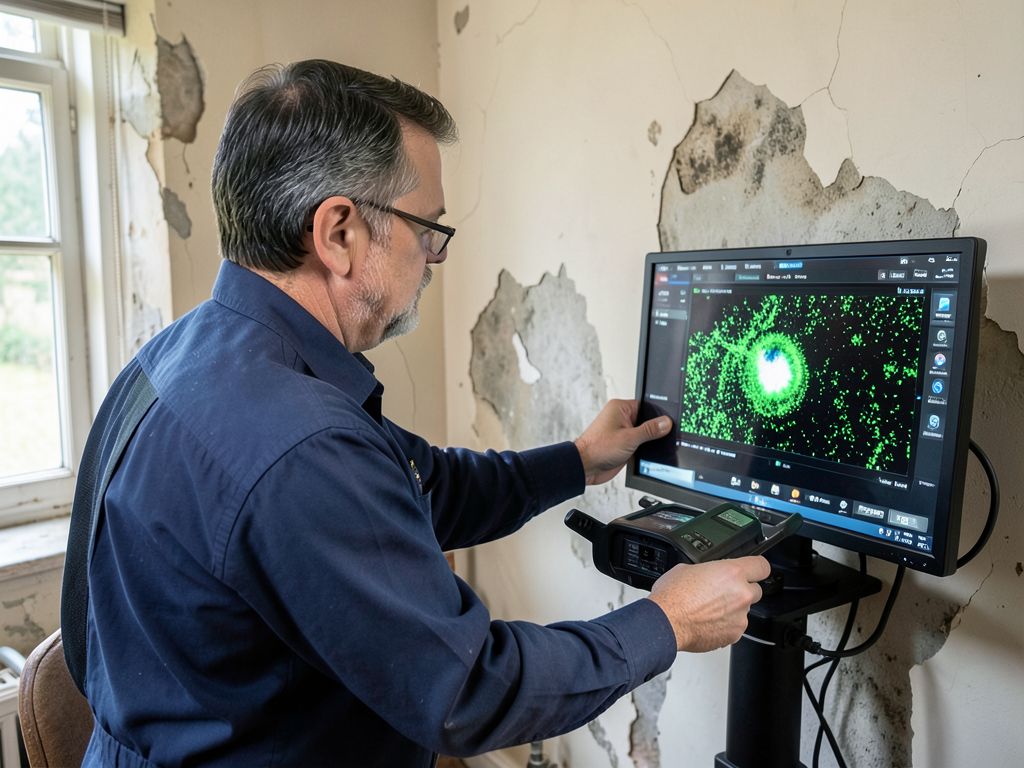
Why Your Broadmoor Home Needs a Specialized Drying Plan for Custom Plaster Walls When water infiltrates your Broadmoor home's custom plaster walls, standard drywall drying techniques can cause irreversible damage. The historic plaster walls common…

How to Stop Your Lake Forest Park Deck from Leaking into the Rooms Below If…

Why Your West Seattle Retaining Wall Could Be the Cause of Your Wet Basement \n\n…
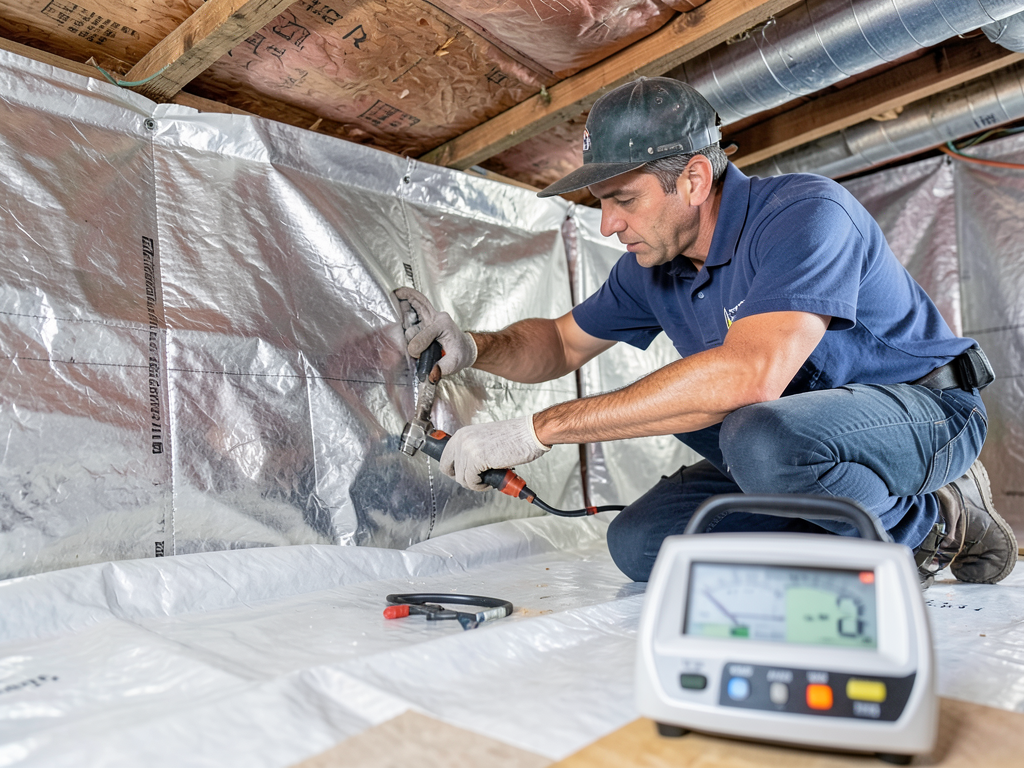
Fixing Moisture Problems in Your Mukilteo Home After a Heavy Fog Season Living near Puget…
Every hour water sits in your Seattle property increases damage and restoration costs. Call Evergreen Water Damage Restoration at (564) 220-5525 right now for emergency response. Our certified crews deploy immediately with the equipment and expertise to stop damage and begin professional restoration.